


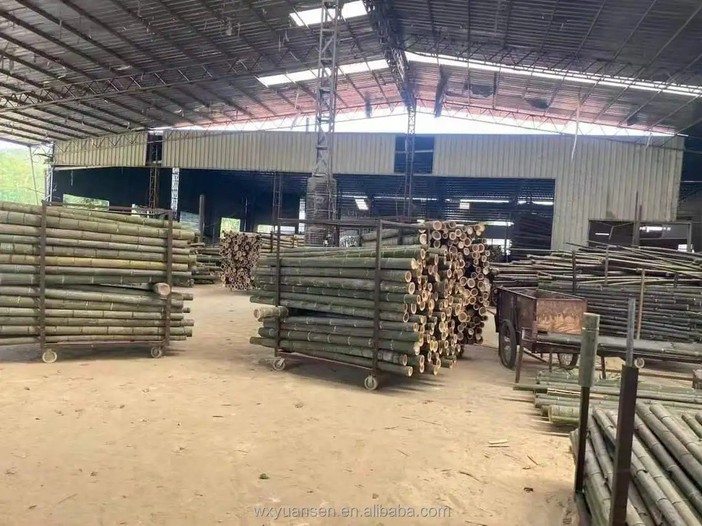
Fujian Bamborn Materials Co., Ltd. is located in Nanping, Fujian, with access to abundant, sustainable Moso bamboo resources. Our advanced production facilities combined with skilled craftsmanship ensure high-quality bamboo construction materials. We prioritize eco-friendly manufacturing and offer competitive pricing with reliable global export services.
Sustainable Raw Materials
We responsibly harvest bamboo from Fujian’s extensive bamboo forests, ensuring an eco-friendly supply chain.
Reliable Quality Control
Our strict inspections at every stage maintain consistent product performance and customer satisfaction.
-
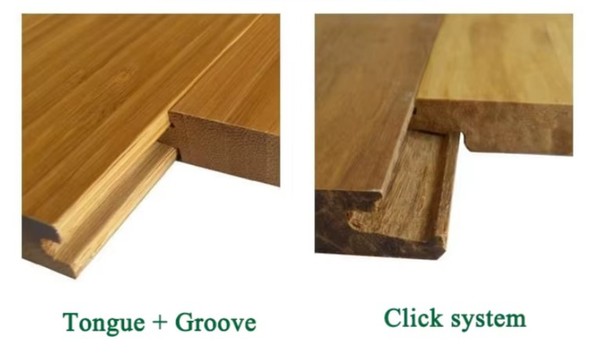
![Vertical Bamboo Flooring]() Vertical Bamboo FlooringMaterial:100% Moso Bamboo. Structure:Strand Woven / Vertical / Horizontal. Color:Carbonized (amber-brown tone). Installation:Click-Lock / Tongue & Groove / Glue Down. Certification:FSC, CE, ISO, SGS.
Vertical Bamboo FlooringMaterial:100% Moso Bamboo. Structure:Strand Woven / Vertical / Horizontal. Color:Carbonized (amber-brown tone). Installation:Click-Lock / Tongue & Groove / Glue Down. Certification:FSC, CE, ISO, SGS. -
![Horizontal Bamboo Flooring]() Horizontal Bamboo FlooringMaterial:100% Moso Bamboo. Structure:Strand Woven / Vertical / Horizontal. Color:Carbonized (amber-brown tone). Installation:Click-Lock / Tongue & Groove / Glue Down. Certification:FSC, CE, ISO, SGS.
Horizontal Bamboo FlooringMaterial:100% Moso Bamboo. Structure:Strand Woven / Vertical / Horizontal. Color:Carbonized (amber-brown tone). Installation:Click-Lock / Tongue & Groove / Glue Down. Certification:FSC, CE, ISO, SGS. -
![Carbonized Horizontal Bamboo Flooring]() Carbonized Horizontal Bamboo FlooringMaterial:100% Moso Bamboo. Structure:Strand Woven / Vertical / Horizontal. Color:Carbonized (amber-brown tone). Installation:Click-Lock / Tongue & Groove / Glue Down. Certification:FSC, CE, ISO, SGS.
Carbonized Horizontal Bamboo FlooringMaterial:100% Moso Bamboo. Structure:Strand Woven / Vertical / Horizontal. Color:Carbonized (amber-brown tone). Installation:Click-Lock / Tongue & Groove / Glue Down. Certification:FSC, CE, ISO, SGS. -
![Bamboo Tongue And Groove Flooring]() Bamboo Tongue And Groove FlooringMaterial:100% Moso Bamboo. Structure:Strand Woven / Vertical / Horizontal. Color:Carbonized (amber-brown tone). Installation:Click-Lock / Tongue & Groove / Glue Down. Certification:FSC, CE, ISO, SGS.
Bamboo Tongue And Groove FlooringMaterial:100% Moso Bamboo. Structure:Strand Woven / Vertical / Horizontal. Color:Carbonized (amber-brown tone). Installation:Click-Lock / Tongue & Groove / Glue Down. Certification:FSC, CE, ISO, SGS. -
![Carbonized Strand Woven Bamboo Flooring]() Carbonized Strand Woven Bamboo FlooringMaterial:100% Moso Bamboo. Structure:Strand Woven / Vertical / Horizontal. Color:Carbonized (amber-brown tone). Installation:Click-Lock / Tongue & Groove / Glue Down. Certification:FSC, CE, ISO, SGS.
Carbonized Strand Woven Bamboo FlooringMaterial:100% Moso Bamboo. Structure:Strand Woven / Vertical / Horizontal. Color:Carbonized (amber-brown tone). Installation:Click-Lock / Tongue & Groove / Glue Down. Certification:FSC, CE, ISO, SGS. -
![Peel And Stick Bamboo Flooring]() Peel And Stick Bamboo FlooringMaterial:100% Moso Bamboo. Structure:Strand Woven / Vertical / Horizontal. Color:Carbonized (amber-brown tone). Installation:Click-Lock / Tongue & Groove / Glue Down. Certification:FSC, CE, ISO, SGS.
Peel And Stick Bamboo FlooringMaterial:100% Moso Bamboo. Structure:Strand Woven / Vertical / Horizontal. Color:Carbonized (amber-brown tone). Installation:Click-Lock / Tongue & Groove / Glue Down. Certification:FSC, CE, ISO, SGS. -
![Outdoor Bamboo Flooring]() Outdoor Bamboo FlooringMaterial:100% Moso Bamboo. Structure:Strand Woven / Vertical / Horizontal. Color:Carbonized (amber-brown tone). Installation:Click-Lock / Tongue & Groove / Glue Down. Certification:FSC, CE, ISO, SGS.
Outdoor Bamboo FlooringMaterial:100% Moso Bamboo. Structure:Strand Woven / Vertical / Horizontal. Color:Carbonized (amber-brown tone). Installation:Click-Lock / Tongue & Groove / Glue Down. Certification:FSC, CE, ISO, SGS. -
![Lifeproof Bamboo Flooring]() Lifeproof Bamboo FlooringMaterial:100% Moso Bamboo. Structure:Strand Woven / Vertical / Horizontal. Color:Carbonized (amber-brown tone). Installation:Click-Lock / Tongue & Groove / Glue Down. Certification:FSC, CE, ISO, SGS.
Lifeproof Bamboo FlooringMaterial:100% Moso Bamboo. Structure:Strand Woven / Vertical / Horizontal. Color:Carbonized (amber-brown tone). Installation:Click-Lock / Tongue & Groove / Glue Down. Certification:FSC, CE, ISO, SGS. -
![Horizontal Toast Bamboo Flooring]() Horizontal Toast Bamboo FlooringMaterial:100% Moso Bamboo. Structure:Strand Woven / Vertical / Horizontal. Color:Carbonized (amber-brown tone). Installation:Click-Lock / Tongue & Groove / Glue Down. Certification:FSC, CE, ISO, SGS.
Horizontal Toast Bamboo FlooringMaterial:100% Moso Bamboo. Structure:Strand Woven / Vertical / Horizontal. Color:Carbonized (amber-brown tone). Installation:Click-Lock / Tongue & Groove / Glue Down. Certification:FSC, CE, ISO, SGS. -
![Carbonized Strand Woven Bamboo]() Carbonized Strand Woven BambooMaterial:100% Moso Bamboo. Structure:Strand Woven / Vertical / Horizontal. Color:Carbonized (amber-brown tone). Installation:Click-Lock / Tongue & Groove / Glue Down. Certification:FSC, CE, ISO, SGS.
Carbonized Strand Woven BambooMaterial:100% Moso Bamboo. Structure:Strand Woven / Vertical / Horizontal. Color:Carbonized (amber-brown tone). Installation:Click-Lock / Tongue & Groove / Glue Down. Certification:FSC, CE, ISO, SGS. -
![Carbonized Strand Bamboo Flooring]() Carbonized Strand Bamboo FlooringMaterial:100% Moso Bamboo. Structure:Strand Woven / Vertical / Horizontal. Color:Carbonized (amber-brown tone). Installation:Click-Lock / Tongue & Groove / Glue Down. Certification:FSC, CE, ISO, SGS.
Carbonized Strand Bamboo FlooringMaterial:100% Moso Bamboo. Structure:Strand Woven / Vertical / Horizontal. Color:Carbonized (amber-brown tone). Installation:Click-Lock / Tongue & Groove / Glue Down. Certification:FSC, CE, ISO, SGS. -
![Bamboo Click Lock Flooring]() Bamboo Click Lock FlooringMaterial:100% Moso Bamboo. Structure:Strand Woven / Vertical / Horizontal. Color:Carbonized (amber-brown tone). Installation:Click-Lock / Tongue & Groove / Glue Down. Certification:FSC, CE, ISO, SGS.
Bamboo Click Lock FlooringMaterial:100% Moso Bamboo. Structure:Strand Woven / Vertical / Horizontal. Color:Carbonized (amber-brown tone). Installation:Click-Lock / Tongue & Groove / Glue Down. Certification:FSC, CE, ISO, SGS.


Bamboo Construction – Sustainable Building Materials for a Greener Future
Bamboo construction is redefining modern architecture and sustainable building design. As one of the fastest-growing renewable resources on Earth, bamboo offers exceptional strength, flexibility, and natural beauty — making it an ideal material for a wide range of construction applications. From bamboo beams and panels to flooring, decking, and structural components, bamboo delivers a perfect combination of performance and sustainability.
one-stop solution
professional team
high quality
Product Features
Our bamboo construction materials are engineered with precision and advanced technology to ensure superior results for every building application.
Moisture and Insect Resistanc
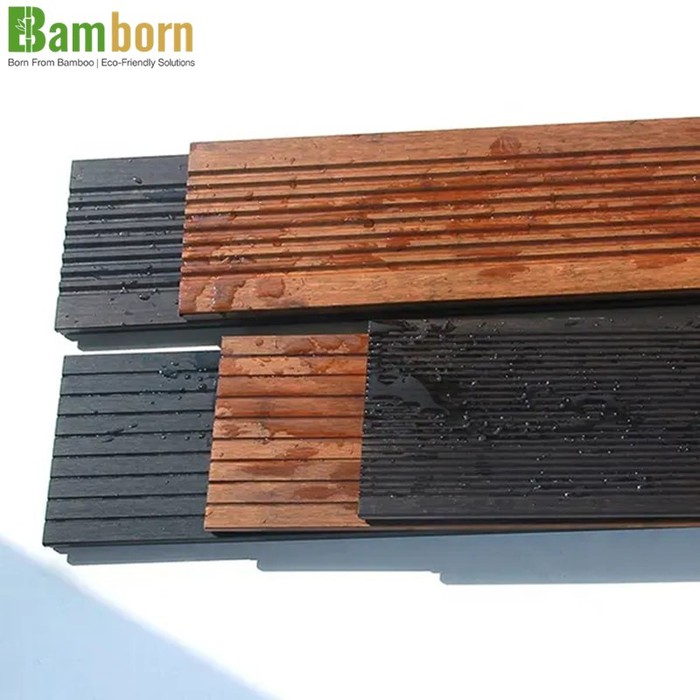
Heat-treated and carbonized for improved resistance against termites, mold, and humidity.
Dimensional Stability
Engineered bamboo boards are pressed under high heat and pressure to maintain form and resist warping.
Natural Aesthetics
Every panel and beam reflects the natural grain of bamboo, offering warmth, texture, and a unique organic appeal.
Versatile Applications
Suitable for interior and exterior use: walls, floors, ceilings, decks, façades, and even load-bearing structures.
Types of Bamboo Construction
Bamboo construction can take many forms depending on how bamboo is processed, assembled, and used in architectural or structural applications. Its versatility allows architects and builders to design anything from small residential structures to large public facilities. Below are the main types of bamboo construction, each offering unique benefits in terms of design, cost, and performance.
Traditional Bamboo Construction
Traditional bamboo construction methods have been used for centuries in Asia, Africa, and South America. In these systems, whole bamboo poles are used directly as structural members, tied together with natural fiber ropes, or joined with wooden pegs.
Key Features:
Utilizes raw, untreated bamboo poles.
Simple joinery and lashings rather than nails or bolts.
Common in rural houses, shelters, and agricultural buildings.
Low-cost and environmentally friendly.
Engineered Bamboo Construction
Engineered bamboo construction represents the modern evolution of bamboo as a structural material. Instead of using raw poles, the bamboo is split, treated, laminated, and compressed into uniform beams, panels, and boards with improved mechanical strength.
Types of Engineered Bamboo Products:
Laminated Bamboo Lumber (LBL)
Strand Woven Bamboo Beams
Bamboo Plywood
Glulam Bamboo (Glued Laminated Bamboo)
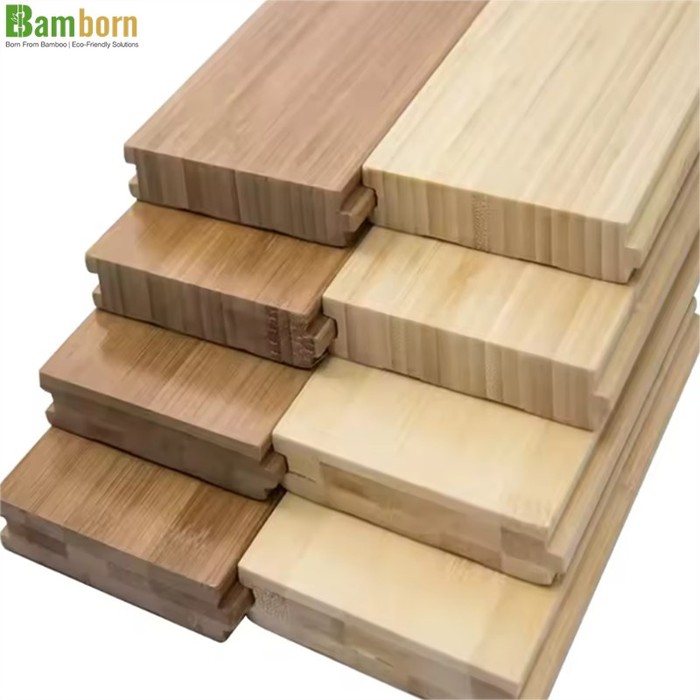
Hybrid Bamboo Construction
Hybrid systems combine bamboo with other materials such as concrete, steel, or timber to improve performance while maintaining bamboo’s sustainable appeal. These composite designs are gaining popularity in modern eco-architecture.
Examples:
Bamboo columns reinforced with concrete cores.
Bamboo walls framed with steel or wooden supports.
Prefabricated modular panels combining bamboo veneer and metal structures.
Prefabricated Bamboo Construction
Prefabricated bamboo construction involves factory-made panels or modules that are assembled on-site, reducing labor time and construction waste.
Key Features:
Uses standardized engineered bamboo components.
Modules are pre-cut, drilled, and treated in the factory.
On-site assembly is fast and efficient.
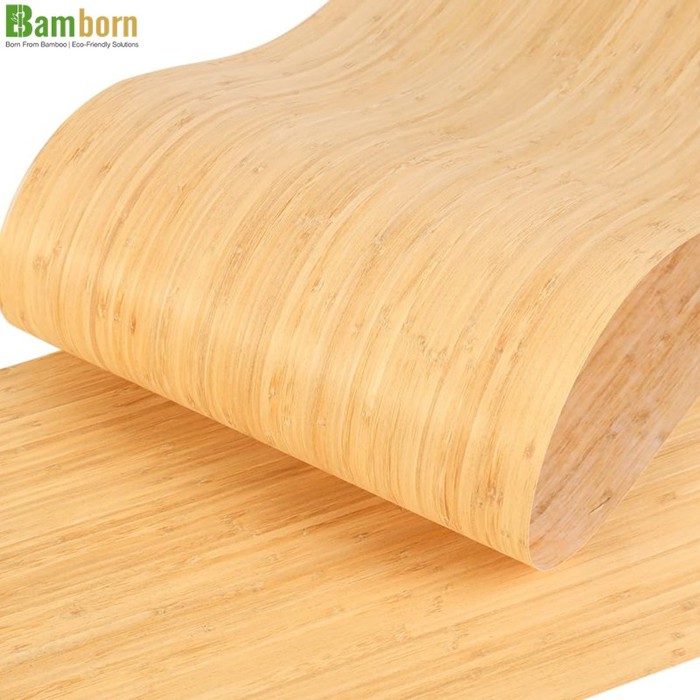
Key Bamboo Construction Materials
Bamboo Flooring
Suitable for both indoor and outdoor use, bamboo flooring offers durability, water resistance, and a refined appearance. Bamborn’s strand-woven bamboo flooring is three times harder than oak.
Bamboo Decking
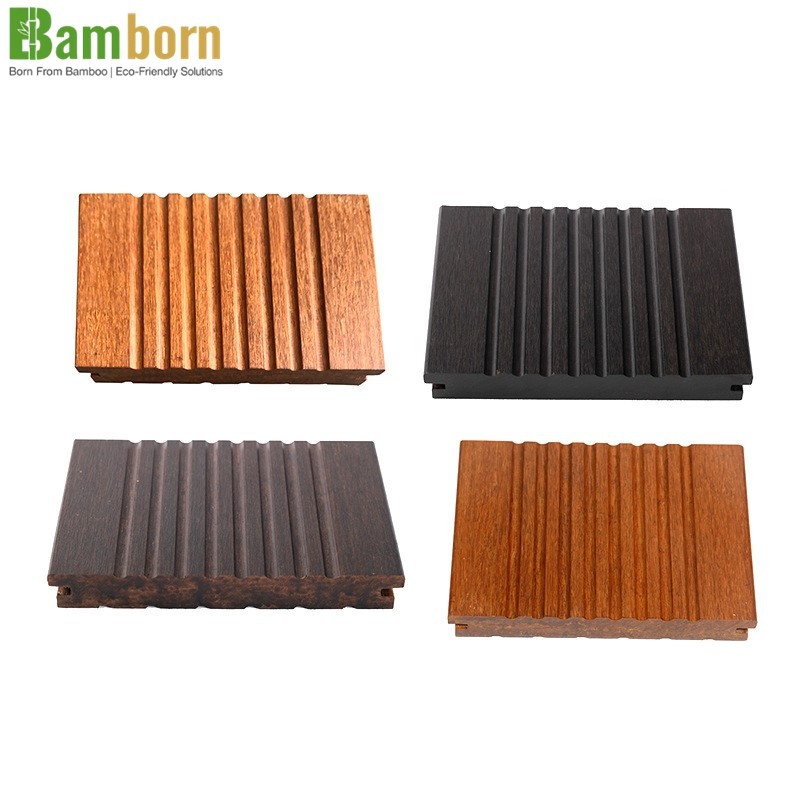
Ideal for exterior projects such as terraces, poolsides, and gardens, bamboo decking combines beauty with strength and resistance to weathering.
Bamboo Veneer and Decorative Sheets
Thin yet durable, bamboo veneer provides a sustainable decorative finish that highlights the natural beauty of the grain.
Advantages of Bamboo Construction Materials
Bamboo offers a unique combination of physical and environmental advantages that few materials can match.
Lightweight and Flexible
Despite its strength, bamboo is remarkably lightweight, allowing for easier transportation and installation.
Sustainability
Bamboo grows up to a meter per day and can be harvested without destroying the root system. It regenerates naturally, making it a renewable and eco-friendly resource.
Aesthetic Appeal
Its natural grain and warm tones give bamboo a distinctive, elegant look that enhances any space.

Benefits of Using Bamboo in Construction
Lorem ipsum dolor sit amet consectetur adipisicing elit.
Indoor Applications
Bamboo is increasingly used in modern interior construction for its natural beauty, strength, and sustainability. It brings warmth, texture, and character to residential and commercial spaces while reducing the carbon footprint of traditional materials. Indoors, bamboo is commonly applied in walls, ceilings, flooring, furniture structures, and decorative beams. Its light yet durable nature allows for flexible interior layouts, modern minimalist aesthetics, and sustainable renovation projects. Bamboo panels and plywood are ideal for cabinetry, partitions, and wall cladding, while laminated bamboo beams provide both strength and visual appeal for interior frameworks. Many designers choose bamboo for green building certifications such as LEED due to its renewable origin and low VOC emissions.

Outdoor Applications
In outdoor construction, bamboo demonstrates its impressive strength, resilience, and weather resistance when properly treated. It is widely used in bamboo decking, exterior wall panels, pergolas, fences, pavilions, and landscape structures. Outdoor bamboo materials undergo carbonization, anti-mold, and UV-resistant treatments to ensure long-term performance even in humid or tropical environments. Its ability to withstand compression and bending makes it an excellent choice for eco-friendly architectural projects, including garden resorts, beachfront villas, and sustainable public spaces. Bamboo construction outdoors not only reduces reliance on hardwood but also adds a natural, tropical aesthetic that blends harmoniously with the environment.

Frequently Asked Questions
Faq of Bamboo Construction
1. Is bamboo strong enough for construction use?
Yes. Bamboo has an exceptional strength-to-weight ratio, often stronger than steel in tension. When properly treated and engineered, it is suitable for both structural and decorative construction purposes.
2. How long does bamboo last in construction?
Treated bamboo can last 20 to 50 years, depending on environmental conditions and maintenance. Proper preservation, carbonization, and surface coating significantly extend its lifespan.
3. Can bamboo be used for both indoor and outdoor structures?
Absolutely. Bamboo is versatile enough for interior walls, flooring, and furniture, as well as exterior applications like decking, pergolas, and fences when treated for moisture and UV resistance.
4. What are the environmental benefits of using bamboo?
Bamboo grows rapidly—up to a meter per day—and regenerates without replanting. It captures more carbon dioxide than most trees, making it a top choice for eco-friendly and sustainable construction materials.
5. How is bamboo protected against insects and mold?
Bamboo undergoes professional treatments such as boron immersion, carbonization, and UV coating. These processes prevent pest infestation, mold growth, and decay caused by humidity or weather exposure.
6. Is bamboo construction cost-effective compared to wood or steel?
Yes. Bamboo is generally cheaper than hardwood or steel, and its lightweight nature reduces transportation and labor costs. Its renewable supply also helps keep pricing stable in the long term.
7. Can bamboo be combined with other building materials?
Yes. Bamboo integrates well with concrete, steel, and glass in hybrid constructions. It is often used as cladding, reinforcement, or decorative material alongside conventional components.
8. What types of bamboo are best for construction?
Moso bamboo (Phyllostachys edulis) is the most popular for structural use due to its large diameter, high density, and excellent compressive strength. It is abundant in Fujian and other southern Chinese provinces.
9. Is bamboo construction safe and compliant with building codes?
Modern engineered bamboo meets international standards for load-bearing, fire resistance, and durability. Many regions, including Europe and Asia, have adopted specific bamboo building guidelines.
10. What maintenance does bamboo construction require?
Regular cleaning, re-coating with sealants, and inspection for moisture or UV wear are recommended every few years. Proper maintenance ensures a long-lasting natural appearance and structural performance.
11. Can bamboo structures resist earthquakes or heavy winds?
Yes. Bamboo’s flexibility and lightweight properties make it naturally resistant to seismic and wind forces, making it ideal for disaster-prone areas.
12. Is bamboo fire-resistant?
Treated bamboo panels and beams can meet fire safety standards when coated with fire-retardant finishes. These treatments slow down ignition and reduce flame spread.
13. Does bamboo expand or shrink with temperature changes?
Bamboo has a low thermal expansion rate compared to wood. However, it should be installed with slight gaps for natural movement under humidity and temperature fluctuations.
14. Can bamboo be painted or stained?
Yes. Bamboo can be easily customized with paints, stains, or coatings. Many finishes enhance UV resistance and help preserve its color and texture.
15. What makes bamboo more sustainable than timber?
Unlike trees that take decades to mature, bamboo reaches full harvestable size in 3–5 years. Its root system regenerates new shoots without replanting, ensuring continuous growth cycles.
16. Where does Bamborn source its bamboo?
All bamboo materials come from responsibly managed forests in Fujian, China—known as the “Bamboo Capital.” Bamborn ensures ethical sourcing and FSC-certified supply chains.
17. Can bamboo be used in humid or coastal environments?
Yes. After carbonization and waterproof coating, bamboo becomes highly resistant to humidity and salt corrosion, making it perfect for coastal architecture and tropical climates.
18. What kind of adhesive is used in engineered bamboo boards?
We use E0 or E1-grade eco-friendly adhesives that are formaldehyde-free and compliant with global indoor air quality standards.
19. Do you offer customized bamboo construction products?
Yes. Bamborn provides OEM and ODM customization services, including size, color, surface finish, and structural specifications to fit any architectural project.
20. Why choose Bamborn as your bamboo construction supplier?
Bamborn combines over 15 years of bamboo expertise with advanced production technology, strict quality control, and strong export capability. We deliver sustainable, high-performance bamboo materials trusted by global clients in more than 20 countries.
We're well-known as one of the leading bamboo construction manufacturers in China. With abundant experience, we warmly warmly welcome you to wholesale the best quality bamboo construction made in China here from our factory. We also accept customized orders.


