When it comes to choosing plates for daily use, events, or dining establishments, a variety of materials are available in the market, such as ceramic, plastic, glass, and bamboo. One common question that often arises is whether bamboo plates are more expensive than other types of plates. As a supplier of bamboo plates, I'm here to delve into this topic and provide you with a comprehensive analysis.
Understanding the Cost Factors of Different Plate Materials
Ceramic Plates
Ceramic plates are a classic choice known for their durability and aesthetic appeal. The production process of ceramic plates involves several steps, including shaping the clay, firing it at high temperatures, and often applying glazes. These processes require specialized equipment and a significant amount of energy. Additionally, the quality of the clay and the complexity of the design can also impact the cost. High - end ceramic plates with intricate patterns or made from premium clay can be quite expensive. On the other hand, mass - produced, basic ceramic plates are relatively affordable and widely available in supermarkets.
Plastic Plates
Plastic plates are perhaps the most budget - friendly option. They are made from various types of plastics, and the manufacturing process is generally straightforward and cost - effective. Plastic plates can be produced in large quantities at a low cost, which makes them a popular choice for casual events, picnics, and fast - food restaurants. However, their low cost comes with some drawbacks. Plastic is not an environmentally friendly material, and it has a relatively short lifespan, often being used only once and then discarded.
Glass Plates
Glass plates are elegant and can add a touch of sophistication to any dining setting. The production of glass plates involves melting silica sand and other raw materials at extremely high temperatures. This process requires a substantial amount of energy and specialized equipment. Glass plates are also more fragile than other types of plates, which means they need to be handled with care during production, transportation, and use. These factors contribute to their relatively high cost, especially for high - quality, thick, and well - crafted glass plates.
Bamboo Plates
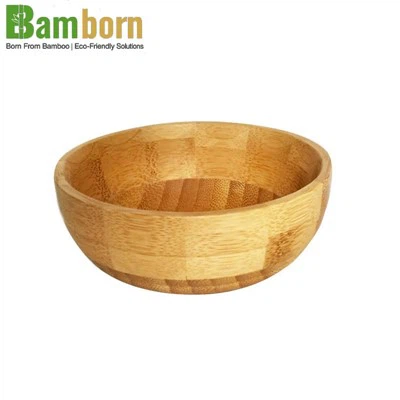
Bamboo plates are made from natural bamboo, a renewable and sustainable resource. The production process of bamboo plates starts with harvesting mature bamboo. The bamboo is then processed, which may include cutting, shaping, and sometimes treating it to ensure its durability and safety for food contact. The cost of bamboo plates is influenced by several factors. Firstly, the quality of the bamboo used matters. Higher - quality bamboo, which is straight, free from defects, and has a consistent color, will result in better - looking and more durable plates. Secondly, the manufacturing process can vary in complexity. Some bamboo plates are simply cut and shaped, while others may undergo additional treatments such as sanding, polishing, or applying a natural finish.
Comparing the Prices
In general, basic plastic plates are the cheapest option. You can find a pack of disposable plastic plates for a few dollars at a local store. These are ideal for one - time use at large events where cost is a major concern.
Ceramic plates can range widely in price. Basic, plain ceramic plates can be relatively affordable, starting from around $5 - $10 per plate. However, high - end, hand - painted, or designer ceramic plates can cost upwards of $50 or more per plate.
Glass plates also have a wide price range. Simple, thin glass plates can be found for around $10 - $15 per plate, while thick, high - quality, or artisanal glass plates can cost $30 or more.
Bamboo plates fall somewhere in the middle. For a set of basic, unadorned bamboo plates, you can expect to pay around $15 - $20 for a set of four. These plates are suitable for everyday use at home or for small gatherings. If you're looking for more elaborate bamboo plates, such as Bamboo Compartment Plates for Events, which are designed specifically for events and may have a more complex shape or finish, the price can be a bit higher, perhaps around $25 - $30 for a set of four.
The Value of Bamboo Plates
While bamboo plates may not be the cheapest option on the market, they offer several unique benefits that justify their price.
Environmental Sustainability
Bamboo is one of the fastest - growing plants in the world. It can be harvested in a sustainable manner without causing significant damage to the environment. Unlike plastic, which is a major contributor to pollution, bamboo is biodegradable and renewable. By choosing bamboo plates, consumers are making an environmentally friendly choice that helps reduce the demand for non - renewable resources and minimizes waste.
Durability
Bamboo plates are relatively durable. They can withstand normal wear and tear during daily use, and they are less likely to break or chip compared to glass or ceramic plates. With proper care, bamboo plates can last for a long time, which means they can be a cost - effective option in the long run.


Health and Safety
Bamboo is a natural material, and bamboo plates are generally free from harmful chemicals such as BPA (bisphenol A), which is commonly found in some plastic products. This makes bamboo plates a safer choice for food contact, especially for families with children and those who are concerned about their health.
Aesthetic Appeal
Bamboo plates have a unique, natural look that can enhance the dining experience. Their warm, earthy color and texture add a rustic and organic touch to any table setting, whether it's a casual family dinner or a more formal event.
Conclusion
So, are bamboo plates more expensive than other types of plates? It depends on the specific type of plate and its quality. Compared to basic plastic plates, bamboo plates are more expensive. However, when compared to high - end ceramic or glass plates, bamboo plates can be a more affordable option. Moreover, considering the environmental, health, and aesthetic benefits that bamboo plates offer, their price is well - justified.
If you're interested in purchasing high - quality bamboo plates for your home, restaurant, or event, we have a wide range of options available. Check out our Reusable Bamboo Food Plates and Organic Bamboo Dining Plates to find the perfect fit for your needs. We are committed to providing sustainable and beautiful bamboo products at a reasonable price. If you have any questions or would like to discuss a bulk purchase, please feel free to reach out to us. We look forward to the opportunity to work with you and help you make the right choice for your dining needs.
References
- "The Economics of Plate Manufacturing: A Comparative Analysis" - Journal of Consumer Goods Economics
- "Sustainable Materials in the Food Service Industry" - Environmental Science and Technology Journal
- "The Durability and Safety of Different Plate Materials" - Food Safety and Hygiene Research