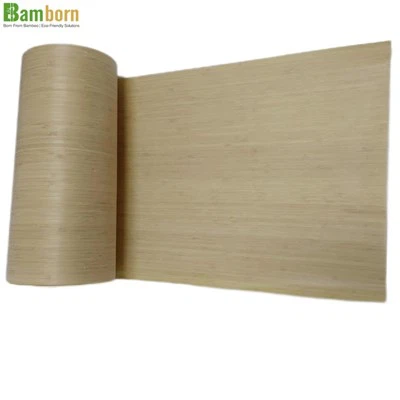
As a seasoned supplier of bamboo veneer, I often encounter a common question from our clients: Can bamboo veneer be painted? This question stems from various needs, whether it's for aesthetic customization, protection, or to match specific design themes. In this blog, I'll delve into the details of painting bamboo veneer, exploring the feasibility, methods, and considerations.
Feasibility of Painting Bamboo Veneer
The short answer is yes, bamboo veneer can be painted. Bamboo, as a natural material, has a porous surface that can absorb paint effectively. This characteristic allows for a good bond between the paint and the veneer, provided that the proper preparation and painting techniques are employed.
One of the key factors contributing to the paintability of bamboo veneer is its composition. Bamboo consists mainly of cellulose, hemicellulose, and lignin, which are similar to other wood materials. These components create a structure that can hold paint well. However, it's important to note that the natural oils and resins present in bamboo may affect the adhesion of the paint. Therefore, proper surface preparation is crucial to ensure a long - lasting paint job.
Preparation Before Painting
Before applying any paint to bamboo veneer, thorough preparation is essential. Here are the steps to follow:
- Cleaning: Start by cleaning the bamboo veneer to remove any dirt, dust, or grease. You can use a mild detergent and water solution, followed by a clean, damp cloth to wipe it dry. Make sure the veneer is completely dry before proceeding to the next step.
- Sanding: Sanding the bamboo veneer helps to open up the pores and create a rough surface for better paint adhesion. Use a fine - grit sandpaper (around 120 - 180 grit) and sand the surface gently in the direction of the bamboo grain. After sanding, wipe away the dust with a clean, dry cloth.
- Priming: Applying a primer is highly recommended. A primer helps to seal the natural oils and resins in the bamboo, improves paint adhesion, and provides a uniform base for the paint. Choose a primer that is suitable for wood or bamboo surfaces. Apply the primer according to the manufacturer's instructions, usually with a brush or a roller, and allow it to dry completely.
Choosing the Right Paint
When it comes to choosing paint for bamboo veneer, there are several options available.
- Water - based Paints: Water - based paints are a popular choice due to their low VOC (volatile organic compound) content, which makes them more environmentally friendly and less odorous. They are also easy to clean up with water. Water - based paints come in a wide range of colors and finishes, such as matte, satin, and gloss.
- Oil - based Paints: Oil - based paints offer a durable and high - gloss finish. They are more resistant to scratches and wear compared to water - based paints. However, they have a higher VOC content and a stronger odor, and they require mineral spirits for cleanup.
- Stains: Stains can be used to enhance the natural beauty of the bamboo while adding color. Stains penetrate the wood surface, allowing the grain to show through. There are different types of stains, such as oil - based stains, water - based stains, and gel stains.
Painting Techniques
Once you have prepared the bamboo veneer and chosen the right paint, it's time to start painting.
- Brushing: Brushing is a traditional method of applying paint. It gives you more control over the application, especially for detailed areas. Use a high - quality brush with natural or synthetic bristles. Dip the brush into the paint, remove the excess by tapping it on the edge of the paint container, and apply the paint in smooth, even strokes in the direction of the bamboo grain.
- Rolling: Rolling is a faster way to apply paint to larger areas of bamboo veneer. Use a paint roller with a short nap for a smooth finish. Roll the paint onto the surface in a "W" or "M" pattern, then smooth it out with long, even strokes.
- Spraying: Spraying provides a smooth and uniform finish, especially for large - scale projects. You can use a paint sprayer, which can be either an air - assisted or airless type. However, spraying requires more equipment and proper ventilation to avoid overspray and inhalation of paint fumes.
Considerations After Painting
After painting the bamboo veneer, there are a few things to keep in mind:


- Drying Time: Allow the paint to dry completely according to the manufacturer's instructions. This may take several hours or even days, depending on the type of paint and environmental conditions such as temperature and humidity.
- Curing Time: In addition to drying, the paint needs time to cure. Curing is a chemical process that makes the paint fully hard and durable. Avoid touching or using the painted bamboo veneer during the curing period.
- Maintenance: To keep the painted bamboo veneer looking its best, avoid using abrasive cleaners or harsh chemicals. Use a soft, damp cloth to clean the surface regularly.
Applications of Painted Bamboo Veneer
Painted bamboo veneer has a wide range of applications. It can be used for interior design projects such as wall paneling, cabinet doors, and furniture. For example, painted bamboo veneer can transform a simple cabinet into a statement piece in a kitchen or a bathroom. In addition, it can be used in decorative items like picture frames and small handicrafts.
If you are interested in Bamboo Veneer Flooring, painted bamboo veneer can also be a great option to create a unique and customized look for your floors. Similarly, Bamboo Wood Veneer Sheets and Thin Bamboo Veneer can be painted to match your specific design requirements.
Conclusion
In conclusion, bamboo veneer can definitely be painted, and with the right preparation, paint selection, and application techniques, you can achieve a beautiful and long - lasting finish. Whether you are looking to customize the appearance of your interior space or protect the bamboo veneer, painting is a viable option.
As a bamboo veneer supplier, we are committed to providing high - quality bamboo veneer products. If you have any questions about painting bamboo veneer or are interested in purchasing our bamboo veneer, please feel free to contact us for a detailed discussion. We look forward to working with you on your next project.
References
- Forest Products Laboratory. Wood Handbook: Wood as an Engineering Material. USDA, 2010.
- Painting and Coating Technology: Principles, Practice, and Estimating. Wiley, 2015.