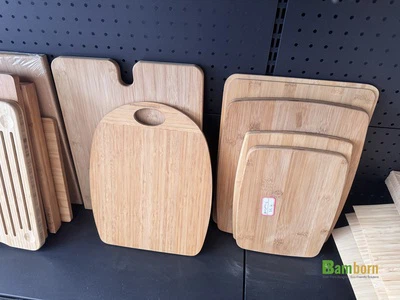
As global brands and importers place greater emphasis on sustainability, supply chain responsibility has become a core purchasing criterion. Bamboo products are increasingly adopted not only for their functionality and aesthetics, but also for their ability to support sustainable supply chains.
This article explains how bamboo products fit into sustainable sourcing strategies and why they are becoming a preferred material for environmentally responsible businesses.
1. Why Sustainability Matters in Modern Supply Chains
Sustainability is no longer a marketing slogan. For many B2B buyers, it is a compliance and brand requirement.
Key drivers include:
ESG (Environmental, Social, Governance) commitments
Government regulations and reporting requirements
Retailer sustainability standards
Consumer demand for eco-friendly products
Long-term cost and resource stability
Materials used in the supply chain directly affect a company's sustainability performance.
2. Bamboo as a Rapidly Renewable Resource
One of bamboo's strongest advantages is its renewability.
Bamboo sustainability advantages:
Grows to maturity in 3–5 years
Regenerates naturally without replanting
Requires less water than hardwood trees
Absorbs large amounts of CO₂
Compared with traditional timber, bamboo significantly reduces pressure on forest resources.
3. Lower Carbon Footprint Compared to Wood and Plastic
From raw material to finished product, bamboo typically has a lower carbon footprint.
Reasons include:
Faster growth cycle
Less energy-intensive harvesting
Efficient material utilization
Reduced waste during processing
For brands tracking carbon emissions, bamboo products help lower overall environmental impact.
4. Responsible Raw Material Sourcing
Sustainable supply chains start with responsible sourcing.
Professional bamboo manufacturers ensure:
Controlled harvesting cycles
FSC-certified bamboo sources
Traceability of raw materials
Protection of local ecosystems
This transparency helps buyers meet sustainability audits and compliance checks.
5. Cleaner Manufacturing Processes
Compared to plastic or metal production, bamboo processing uses fewer chemicals and generates less pollution.
Key sustainable practices include:
Water-based coatings
Low-VOC adhesives
Energy-efficient drying and pressing
Waste bamboo reuse
Factories committed to sustainability continuously improve their production methods.
6. Long Product Lifespan and Reduced Waste
Durability plays an important role in sustainability.
High-quality bamboo products:
Last longer in daily use
Reduce replacement frequency
Lower overall consumption
Support circular economy principles
Long-lasting products reduce waste and resource consumption over time.
7. Compliance With Global Sustainability Standards
Bamboo products help buyers meet various international standards, including:
FSC certification
CARB and TSCA compliance
REACH regulations
Low formaldehyde emission standards
Compliance simplifies international trade and reduces regulatory risk.
8. Sustainability Benefits for Retailers and Brands
By sourcing bamboo products, brands can:
Strengthen sustainability messaging
Improve brand image
Meet retailer eco-requirements
Support ESG reporting
Appeal to eco-conscious consumers
This creates long-term brand value beyond product functionality.
9. Why Importers Prefer Bamboo for Long-Term Supply Chains
Importers value bamboo because it offers:
Stable raw material availability
Predictable pricing
Scalable production capacity
Reduced dependency on slow-growing timber
These factors improve supply chain resilience.
10. Bamborn's Commitment to Sustainable Supply Chains
Bamborn integrates sustainability into every stage of production.
Our approach includes:
FSC-certified bamboo sourcing
Responsible harvesting partnerships
Low-VOC adhesives and finishes
Waste reduction programs
Continuous environmental improvements
We support global buyers seeking reliable and sustainable bamboo product solutions.
Bamboo products play an increasingly important role in sustainable supply chains. Their renewability, lower environmental impact, and compliance with international standards make them an ideal choice for brands and importers focused on long-term sustainability.
For B2B buyers, bamboo is not just a material - it is a strategic component of responsible sourcing.