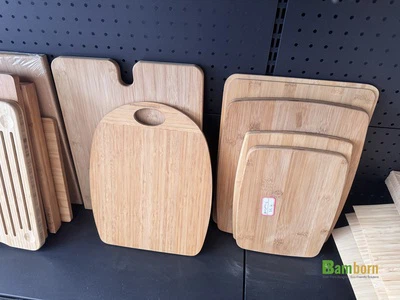
What Certifications Do Bamboo Cutting Boards Need for Export? A Practical Guide for Importers
By Molly | Compliance & Global Trade Specialist
When importing bamboo cutting boards, product quality is only part of the equation.
Compliance is equally critical.
Missing or incorrect certifications can lead to customs delays, rejected shipments, or even legal risks in your target market.
This guide explains the key certifications and standards you should understand before placing orders.
Why Certifications Matter in B2B Trade
For kitchenware products like bamboo cutting boards, compliance ensures:
- Food safety
- Market access
- Buyer confidence
Retailers and distributors increasingly require documented proof of compliance before accepting products.
Compliance = Market Entry
Without proper certifications, even high-quality products cannot enter certain markets.
This is especially strict in the U.S. and Europe.

Key Certifications for the U.S. Market
1. FDA Compliance
In the United States, bamboo cutting boards must comply with food contact material regulations.
- Materials must be safe for food contact
- No harmful chemical migration
- Testing reports may be required
2. LFGB (Optional but Valuable)
Although primarily a European standard, LFGB certification is often recognized as a higher benchmark.
Many U.S. buyers use it as a quality indicator.
Key Certifications for the European Market
1. LFGB Certification
LFGB is one of the strictest food safety standards in Europe.
- Ensures no harmful substances migrate into food
- Requires laboratory testing
- Highly valued by European buyers
2. REACH Compliance
REACH focuses on chemical safety.
- Controls hazardous substances
- Applies to adhesives and finishes
REACH compliance is essential for EU market entry.
Europe Has Higher Standards
European buyers are generally stricter about certifications.
Meeting these standards can improve your credibility globally.
Sustainability Certifications
As eco-friendly products gain popularity, sustainability certifications are becoming more important.
FSC Certification
- Ensures responsible sourcing of materials
- Improves brand image
- Required by some retailers
While bamboo is naturally renewable, certification adds credibility.
BSCI / Social Compliance
- Focuses on factory working conditions
- Important for large retail buyers
Social compliance is increasingly part of supplier evaluation.
Packaging & Labeling Requirements
Beyond product certifications, packaging must also meet requirements:
- Country of origin labeling
- Material information
- Barcode and retail labeling
Incorrect labeling can lead to customs issues or retailer rejection.
What Buyers Should Do
To ensure smooth importing, buyers should:
- Request certification documents before ordering
- Verify test reports from third-party labs
- Confirm compliance with target market regulations
Never assume compliance-always verify it.
Documentation Is Protection
Proper documentation protects your business from risk.
It also builds trust with your customers and partners.
- Molly
Compliance & Global Trade | Bamboo Kitchenware Industry