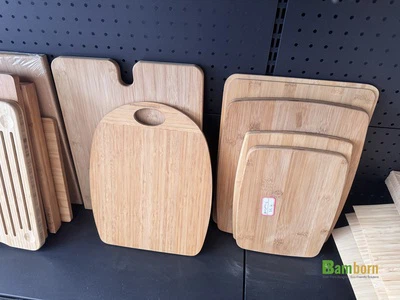
How to Choose the Right Bamboo Cutting Board for Your Target Market
By Molly | Product Development & Sourcing
Different markets have very different expectations when it comes to kitchen products.
A bamboo cutting board that sells well in the U.S. may not perform the same in Europe or Australia.
Choosing the right product structure and positioning is critical if you want to win in B2B sales.
This guide breaks down how to match your bamboo cutting boards to your target market.
Understand Market Preferences First
Before selecting any product specification, you need to understand what your target buyers actually care about.
Different regions focus on different priorities:
- USA: large sizes, heavy-duty use, multi-functional designs
- Europe: eco-friendly, minimalist, sustainable materials
- Australia: practical, durable, kitchen-safe finishes
- Retail brands: packaging, branding, and shelf appeal
Matching these expectations is the first step toward successful sales.
Different Markets, Different Products
There is no "one-size-fits-all" cutting board.
Even small adjustments in size, weight, or finish can make a big difference in acceptance.

Key Factors to Consider When Choosing
1. Size & Thickness
Size and thickness directly affect usability and shipping costs.
- Large boards (40cm+) for premium markets
- Medium boards for general retail
- Thicker boards for durability positioning
Heavier boards usually signal higher quality in most markets.
2. Material Grade
- Moso bamboo is the most commonly used high-quality material
- Carbonized bamboo offers a darker, premium look
- Glue and bonding quality affects food safety perception
Material quality is often a decisive factor for professional buyers.
3. Design Features
- Juice grooves for meat cutting
- Dual-sided design for versatility
- Built-in handles for convenience
Features should align with how the end customer will actually use the product.

Functionality Drives Sales
Simple features like grooves and handles can significantly increase product appeal.
For many buyers, functionality is more important than price alone.
Weight & Durability Considerations
Weight is closely linked to perceived quality.
- Heavier boards feel more premium
- Lighter boards are easier for shipping and logistics
- Thickness improves long-term durability
However, too heavy can increase shipping costs and reduce competitiveness.
The goal is to balance durability with cost efficiency.
Packaging & Compliance
For global buyers, packaging is not just protection-it's also a compliance requirement.
Important considerations include:
- Food safety certifications
- Eco-friendly materials
- Retail-ready packaging design
Strong packaging can significantly improve conversion rates for retail customers.
Final Advice for Buyers
Choosing the right bamboo cutting board is not just about the product itself.
It's about aligning with:
- Your target market
- Your brand positioning
- Your pricing strategy
If you get these three factors right, your chances of success increase significantly.
- Molly
Product Development & Sourcing | Bamboo Kitchenware Industry