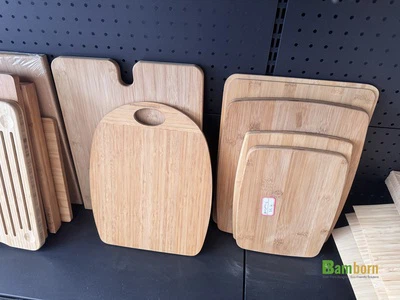
Bamboo tables are admired for their natural beauty, strength, and sustainability - but when it comes to outdoor use, especially exposure to rain and moisture, proper care and understanding are essential. Bamboo is a plant-based material that behaves differently from synthetic or metal furniture, so whether a bamboo table can withstand rain depends largely on how it's made, treated, and maintained.
1. Understanding Bamboo's Natural Properties
Bamboo is a natural organic fiber, similar in structure to hardwood but more porous. This means it naturally absorbs and releases moisture from the environment. Without proper treatment, constant exposure to rain can cause:
Swelling and warping as bamboo absorbs water.
Cracking or splitting during drying after rain.
Mold and mildew growth in humid conditions.
However, with modern treatment methods and protective coatings, bamboo furniture can perform very well outdoors - even in rainy climates.
2. Treated Bamboo vs. Untreated Bamboo
The key difference lies in how the bamboo is processed.
Untreated bamboo:
Should never be left outdoors. It quickly absorbs moisture and deteriorates within months.
Treated bamboo:
Professionally treated bamboo - often carbonized, kiln-dried, and coated with waterproof sealers - can withstand outdoor rain and humidity. For instance, high-quality outdoor bamboo furniture or decking like those from Bamborn's Bamboo Furniture Collection undergoes UV-resistant and anti-mold treatments to handle harsh weather conditions.
3. Factors That Affect Rain Resistance
If you plan to place a bamboo table outdoors, consider the following:
a. Surface Protection
A well-applied waterproof sealant, oil, or varnish acts as a barrier against moisture. Reapply it once or twice a year to maintain protection.
b. Design and Structure
Outdoor bamboo tables with slatted or ventilated tops allow rainwater to drain easily, preventing standing water that could cause rot.
c. Placement and Shelter
Even treated bamboo lasts longer if kept under a covered patio, gazebo, or awning rather than fully exposed to heavy rain.
d. Seasonal Care
During long wet seasons, it's best to cover the table with a breathable furniture cover or move it indoors when not in use.
4. How Outdoor-Grade Bamboo is Made Rain-Resistant
Modern bamboo furniture designed for outdoor use goes through a series of steps to improve weather resistance:
High-temperature carbonization to remove starch and sugars (which attract mold).
Kiln drying to reduce internal moisture and improve dimensional stability.
Resin impregnation or oil treatment for water repellence.
UV-resistant coating to prevent fading and cracking.
This process transforms raw bamboo into a dense, weather-resistant material that performs similarly to hardwood outdoors.
5. Maintenance Tips for Bamboo Tables in Rainy Areas
If your bamboo table is used outdoors or occasionally exposed to rain, follow these care tips:
Wipe dry after rainfall to prevent long-term moisture absorption.
Clean with mild soap and water, then dry completely.
Avoid placing directly on wet soil or grass - use rubber feet or stands.
Reapply protective oil or sealant every 6–12 months.
With regular maintenance, a treated bamboo table can remain in excellent condition for years, even in humid or rainy climates.
6. Conclusion
Bamboo tables can withstand rain, but only if they are properly treated and maintained. Untreated bamboo should never be left outdoors, but treated and sealed bamboo - especially furniture designed for exterior use - can handle rain, humidity, and temperature changes with ease.
If you want to ensure your bamboo furniture performs well outdoors, choose outdoor-grade bamboo tables or weather-resistant bamboo materials from trusted suppliers like Bamborn. Their eco-friendly, durable bamboo furniture is designed to combine natural aesthetics with long-lasting weather performance.