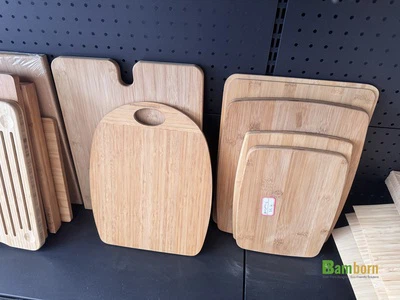
Bamboo is one of the most sustainable and versatile building materials in the world - light, strong, and naturally elegant. Making a bamboo table is not only an eco-friendly DIY project but also an opportunity to create a durable and stylish piece of furniture that brings natural beauty to your home or outdoor space. Whether you're crafting a small coffee table or a full dining table, the process follows the same key steps: selecting the right bamboo, preparing it properly, and assembling it with care.
1. Choose the Right Type of Bamboo
Not all bamboo is the same. For making tables, select mature bamboo poles that are at least 3–5 years old, as younger bamboo tends to crack or warp over time. The ideal species are Moso bamboo, Guadua, or Tonkin, known for their hardness and stability.
If possible, buy treated bamboo poles or bamboo boards to save time and ensure durability. For example, bamboo panels and boards from reliable suppliers such as Bamborn are already kiln-dried and processed for furniture use.
2. Prepare the Bamboo
Before construction, the bamboo must be treated and dried to prevent insect damage and cracking. If you're using raw bamboo:
Cure the poles by soaking them in a borax-boric acid solution (a natural preservative) for 1–2 weeks.
Dry the bamboo completely in the shade to avoid splitting from direct sunlight.
Trim and clean the outer layer with sandpaper to remove dust and rough spots.
Proper preparation ensures the bamboo stays strong and stable for years.
3. Design Your Table
Decide on the type of table you want:
Coffee table: 40–50 cm tall, compact, perfect for living rooms.
Dining table: 70–75 cm tall, requires thicker bamboo or bamboo boards.
Outdoor table: Should include weather-resistant coatings.
Sketch your design, noting the dimensions of the legs, tabletop, and supports. You can choose between bamboo poles for a rustic look or bamboo boards for a modern, smooth finish.
4. Build the Table Frame
The frame provides the main support for your table. Follow these steps:
Cut four bamboo poles for the legs to your desired table height.
Cut horizontal crossbars for support - one near the top and one lower down for stability.
Join the pieces using:
Bamboo dowels or wood screws (pre-drill holes to prevent splitting).
Strong rope binding or rattan strips, which add both strength and decorative appeal.
Check for balance by standing the frame on a flat surface. Adjust if necessary.
5. Attach the Tabletop
You can use:
Flat bamboo panels or slats, aligned side by side.
A solid bamboo board, which provides a smoother, modern surface.
Secure the tabletop with screws from underneath or wood glue. If using bamboo slats, leave a small gap (1–2 mm) between them to allow for natural expansion with humidity changes.
6. Sand and Finish
Smooth all surfaces with fine-grit sandpaper to remove rough edges. Then apply a wood stain or natural oil finish to highlight bamboo's natural grain.
For extra durability - especially for outdoor use - apply a clear polyurethane or waterproof sealer. This protects the bamboo from moisture, UV light, and insects.
7. Optional: Add Design Enhancements
Personalize your bamboo table with:
Glass tops for a modern look.
Woven bamboo panels or rattan trims for a tropical style.
Metal fittings for industrial aesthetics.
Bamboo's flexibility allows for endless creative combinations, making each table unique.
8. Maintenance Tips
To keep your bamboo table in great condition:
Clean it regularly with a soft cloth and mild detergent.
Avoid excessive moisture and direct sunlight.
Reapply a protective oil or sealer every 6–12 months if used outdoors.
9. Conclusion
Making a bamboo table combines craftsmanship, sustainability, and beauty. With the right materials and care, your handmade bamboo table can last for years while adding a natural touch to your space.
If you're looking for ready-made bamboo furniture or quality bamboo panels to start your project, visit Bamborn's Bamboo Furniture Collection. We offer eco-friendly bamboo materials and finished products designed for both residential and commercial use.