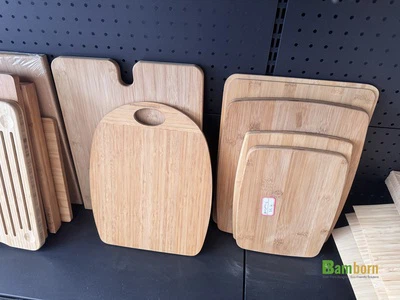
Bamboo plywood is increasingly recognized as a strong, eco-friendly alternative to traditional hardwood plywood. Known for its durability, sustainability, and natural beauty, bamboo plywood is widely used in furniture, flooring, cabinetry, and architectural applications. But how exactly do you make bamboo plywood?
In this guide, Fujian Zhuyuan Materials Co., Ltd. explains the step-by-step process of manufacturing bamboo plywood, from raw bamboo to finished boards.
Why Bamboo Plywood?
Before diving into the process, let's quickly look at why bamboo plywood has gained global popularity:
Sustainability: Bamboo grows to maturity in 3–5 years, much faster than hardwoods.
Strength: Comparable to oak and maple, with high tensile and compressive strength.
Versatility: Suitable for both structural and decorative use.
Eco-friendliness: Renewable, biodegradable, and available in natural or carbonized finishes.
Step 1: Select and Harvest Mature Bamboo
The process begins with harvesting mature bamboo culms, usually between 4–6 years old. Younger bamboo is too soft, while older bamboo may become brittle.
At Fujian Zhuyuan Materials Co., Ltd., bamboo is sourced from sustainably managed forests in Fujian Province, ensuring both quality and environmental responsibility.
Step 2: Split and Strip the Bamboo
After harvesting, the bamboo culms are cut into sections, then split lengthwise into strips. These strips are further planed and sliced into uniform thicknesses. The outer green skin and inner soft pith are removed, leaving only the strong fibrous walls.
This ensures consistency and strength in the final plywood panels.
Step 3: Treat Bamboo Strips (Boiling / Carbonization)
Raw bamboo contains starch and sugars, which can attract pests and fungi. To prevent this, bamboo strips undergo treatment:
Boiling in water: Removes starch and sterilizes the material.
Carbonization: Steaming under high pressure, which darkens the bamboo to a caramel color and increases stability.
The result is two main finishes:
Natural Bamboo: Pale, blond-like wood.
Carbonized Bamboo: Rich, warm brown tones.
Step 4: Drying
Once treated, the bamboo strips must be thoroughly dried to reduce moisture content to 6–10%. This is done using industrial drying kilns.
Proper drying is essential to prevent warping, cracking, and delamination during later stages.
Step 5: Gluing and Layer Arrangement
The dried bamboo strips are coated with low-formaldehyde or formaldehyde-free adhesives (such as E0/E1 standard resins).
They are then carefully arranged into layers:
Horizontal grain: Strips laid flat for a smooth, wide-grain appearance.
Vertical grain: Strips placed on edge for a linear, striped pattern.
Multiple layers are stacked to achieve the desired thickness (commonly 3mm to 30mm).
Step 6: Hot Pressing
The glued bamboo strips are placed into hydraulic presses, where heat (around 120–150°C) and pressure (several tons per square inch) bond the layers together.
This step is critical for achieving strength, durability, and stability in bamboo plywood.
Step 7: Cutting, Trimming, and Sanding
After pressing, the large bamboo plywood sheets are trimmed to standard dimensions (e.g., 1220 x 2440 mm). The edges are cut cleanly, and both sides are sanded with fine industrial machines to produce a smooth surface.
Step 8: Finishing and Coating
The final bamboo plywood may undergo finishing treatments depending on its intended use:
UV coating for durability and scratch resistance.
Clear varnish for shine and protection.
Custom staining or laminating for specific design requirements.
At Fujian Zhuyuan Materials Co., Ltd., we provide both raw panels and finished products tailored to customer specifications.
Applications of Bamboo Plywood
Because of its strength and beauty, bamboo plywood is used in:
Furniture: Cabinets, desks, chairs, shelves.
Interior design: Wall panels, ceilings, flooring.
Construction: Decorative partitions, staircases, and more.
Eco-projects: Green building and sustainable design.
Why Choose a Trusted Manufacturer?
The process of making bamboo plywood requires precision. Poorly treated bamboo may warp, crack, or emit harmful chemicals. That's why choosing a reliable supplier is crucial.
Fujian Zhuyuan Materials Co., Ltd. ensures:
Sustainable bamboo harvesting.
Eco-friendly adhesives meeting international standards.
Strict quality control at every stage.
Competitive pricing for both bulk and customized orders.