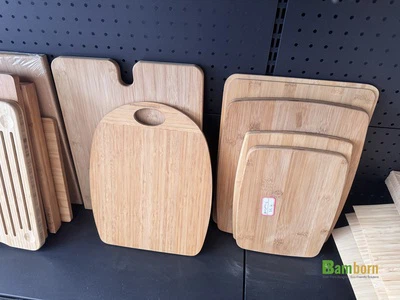
How to Import Bamboo Kitchenware to the US With FDA Compliance
The United States is one of the largest markets for bamboo kitchenware, including cutting boards, utensils, bowls, and serving trays. However, because these products come into direct contact with food, they must comply with strict FDA food safety requirements.
For importers, understanding FDA compliance before shipment is essential to avoid customs delays, product recalls, or legal risks.
This guide explains how to properly import bamboo kitchenware into the US market while meeting FDA requirements.
1. Understand FDA Food Contact Regulations
Bamboo kitchenware falls under FDA regulations for food-contact materials.
Key considerations include:
• Materials must be safe for direct food contact
• Adhesives used in laminated products must meet safety standards
• Finishing oils must be food-grade
• No harmful chemical residues
While bamboo itself is natural, processing materials must also comply.
2. Ensure Safe Adhesive Usage in Laminated Products
Many bamboo kitchenware items, such as cutting boards and trays, are laminated products.
Importers should confirm:
• Low formaldehyde adhesives (E0 or E1 grade)
• Compliance with FDA 21 CFR regulations
• Supporting laboratory test reports
Using improper adhesives is one of the most common compliance risks.
3. Verify Food-Grade Surface Treatment
Bamboo kitchenware is often treated with:
• Food-grade mineral oil
• Natural oil finishes
• Water-based coatings (if applicable)
Surface treatments must not release harmful substances when in contact with food.
Always request documentation from the manufacturer.
4. Obtain Proper Testing Reports
Although the FDA does not "approve" products in advance, importers are responsible for ensuring compliance.
Recommended documentation:
• FDA food-contact compliance declaration
• Third-party laboratory test reports
• Material safety data sheets (if applicable)
• Adhesive compliance documentation
These documents should match the exact product being shipped.
5. Register With the FDA (If Required)
If importing regularly, ensure:
• Your company is properly registered as an importer
• Supplier facility registration is verified when required
• Accurate product classification codes are used
Consult with customs brokers to ensure correct filing.
6. Work With Experienced Customs Brokers
Customs documentation should include:
• Accurate product description
• Correct HS code
• Clear identification as food-contact material
• Supporting compliance documents if requested
Experienced brokers reduce clearance risk.
7. Implement Pre-Shipment Inspection
Before shipment:
• Conduct quality inspection
• Verify labeling and packaging
• Confirm compliance documentation
• Ensure moisture control for sea freight
Prevention is less expensive than rejected shipments.
8. Avoid Common Import Mistakes
Common errors include:
• Missing compliance documents
• Incorrect product labeling
• Using untested adhesives
• Failing to verify moisture control
• Poor communication between supplier and importer
Proper preparation avoids costly delays.
9. Consider State-Level Requirements
In addition to federal regulations, some US states may have stricter requirements related to:
• Formaldehyde emissions
• Chemical disclosures
• Environmental labeling
Stay updated on regulatory changes.
10. Choose a Manufacturer Familiar With the US Market
Working with a factory experienced in exporting to the United States provides:
• Established compliance processes
• Familiarity with FDA expectations
• Proper adhesive selection
• Stable production standards
Experienced suppliers reduce compliance risk and simplify documentation.
Importing bamboo kitchenware into the US requires careful attention to FDA food-contact regulations, adhesive standards, and proper documentation. While bamboo is a natural material, compliance depends on how the product is manufactured and processed.
Importers who verify documentation, conduct inspections, and work with experienced manufacturers can confidently enter the US market while minimizing regulatory risk.