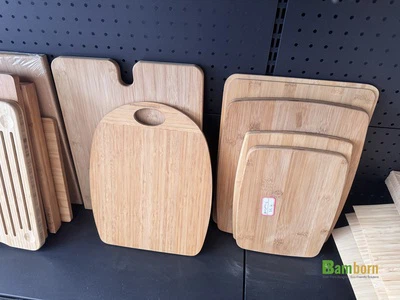
Bamboo Kitchenware for Global Wholesale and Retail Markets
Bamboo kitchenware has become one of the fastest-growing product categories in sustainable home and hospitality markets. From cutting boards to serving trays, global buyers increasingly choose bamboo as a reliable alternative to traditional wood and plastic materials.
For importers, distributors, retail chains, and food service suppliers, bamboo kitchenware offers a balance between sustainability, durability, and competitive pricing.
Why Bamboo Kitchenware Is Growing Globally
Several factors are driving demand worldwide:
• Sustainability regulations in EU and North America
• Consumer preference for eco-friendly materials
• Rising wood costs and supply restrictions
• Retail demand for renewable product lines
• Restaurant and hospitality sustainability initiatives
Bamboo's rapid renewability makes it an attractive long-term sourcing material.
Main Categories of Bamboo Kitchenware
Wholesale buyers typically source bamboo kitchenware across multiple product lines.
1. Cutting Boards
• Standard boards
• Commercial-grade boards
• Boards with juice grooves
• Custom engraved boards
2. Serving and Tableware
• Bamboo bowls
• Plates and trays
• Serving platters
• Cheese boards
3. Utensils and Tools
• Spoons and spatulas
• Forks and knives
• Chopsticks
• Cooking tool sets
4. Storage and Organizers
• Drawer organizers
• Spice racks
• Bread boxes
• Kitchen storage containers
This versatility allows buyers to build a complete kitchen product portfolio under one material theme.
Key Considerations for Wholesale Buyers
When sourcing bamboo kitchenware in bulk, buyers should evaluate:
Raw Material Quality
• Mature Moso bamboo
• Stable moisture content
• Uniform grain
Food Safety Compliance
• FDA compliance for US
• LFGB compliance for EU
• Low formaldehyde adhesives
Production Consistency
• Automated sanding and finishing
• Strong lamination
• Dimensional accuracy
Packaging Standards
• Retail-ready packaging
• Export-grade cartons
• Moisture protection for sea freight
Why Retail Chains and Brands Prefer Bamboo
Retailers benefit from:
• Sustainable product positioning
• Modern aesthetic appeal
• Competitive cost structure
• Strong market differentiation
Bamboo kitchenware supports eco-friendly branding while maintaining functional durability.
Cost and Supply Chain Advantages
Compared to hardwood kitchenware:
• Faster raw material regeneration
• More stable supply from bamboo regions
• Efficient production processes
• Lower material waste
These factors improve long-term supply chain resilience.
OEM and Private Label Opportunities
Many global brands develop private-label bamboo kitchenware programs.
Manufacturers can provide:
• Custom sizes and shapes
• Logo engraving
• Custom packaging
• Barcode and retail compliance support
OEM flexibility helps brands expand sustainable product lines.
Common Quality Risks and How to Avoid Them
Importers should monitor:
• Warping due to moisture imbalance
• Delamination from weak adhesives
• Rough sanding
• Mold during shipping
Working with experienced bamboo manufacturers reduces these risks.
Future Outlook for Bamboo Kitchenware
As sustainability regulations strengthen and consumers demand eco-friendly alternatives, bamboo kitchenware is expected to continue growing across:
• Retail markets
• E-commerce platforms
• Hospitality industry
• Restaurant supply chains
The category offers long-term potential for global wholesale buyers.
Bamboo kitchenware combines sustainability, durability, and commercial viability. For importers and distributors, selecting reliable manufacturers with strong quality control and compliance experience ensures stable long-term supply.
From residential kitchens to commercial food service, bamboo kitchenware represents a practical and scalable solution for modern global markets.